

This post was last updated on July 8th, 2026 at 12:46 pm
What is the first thing that pops into your mind from these two words: physical activity?
Did you imagine working out at a gym? Hopping on a exercise equipment? Going for a run? Playing a sport?
I suspect you envisioned some type of “official” workout. When it comes to physical activity, most people don’t think about vacuuming floors or mowing the lawn. That’s partly because we’re bombarded with fitness and athletic apparel companies’ conceptions of physical activity, and they don’t include household chores and the more “mundane” parts of daily life.
These companies try to compartmentalize physical activity and tell us they should be done at certain times and certain places. The implicit message is that most of our day is supposed to be relatively free from physical exertion. If we’re not doing an “official” workout (while wearing “official” workout apparel), we’re supposed to be taking it easy—perhaps on the couch while a robotic vacuum cleaner zips over our floors.
This compartmentalization of physical activity is doing a lot of people’s health a disservice. These companies aren’t selling us fitness. They’re selling us the idea of fitness. But ideas alone don’t help us stay in shape.
The world is your gymnasium
If you find yourself spending too much time sitting and not enough time moving, it’s time to rethink how you get your physical activity. Everyday fitness is a way of life that allows you to move more throughout your day, whether you’re at home, the office, or out and about. When “the gym” is all around you, you begin to see—and act on—many more opportunities to be physically active.
By treating life more like a weight-lifting set and less like a remote control, you’ll be moving more and sitting less.
With this new mindset, your first order of business is to question the so-called benefits of new labor-saving technologies. Being able to accomplish your entire to-do list without ever having to leave your chair is not a good thing, despite what Amazon tells you. If you’re able to get all your entertainment, accomplish all your work and get all your groceries delivered without moving a muscle (except to answer the front door), you’re headed deep into sedentary territory. These labor-saving technologies strip your “barbell” of “weights,” leaving you without resistance in your life.
The sedentary trend is clear—and scary
A growing volume of studies finds sitting long periods of time is unhealthy in many ways. Average sitting time for adults increased from 5.5 hours per day in 2007 to 6.5 hours in 2016. For adolescents, it increased from 7 hours in 2007 to 8.2 hours in 2016.
To escape this sedentary spiral, it helps to broaden and embrace exercise opportunities disguised as something else. To be frugalmatic is to harness the health benefits of everyday tasks and responsibilities.
Add resistance to your life: The small decisions matter
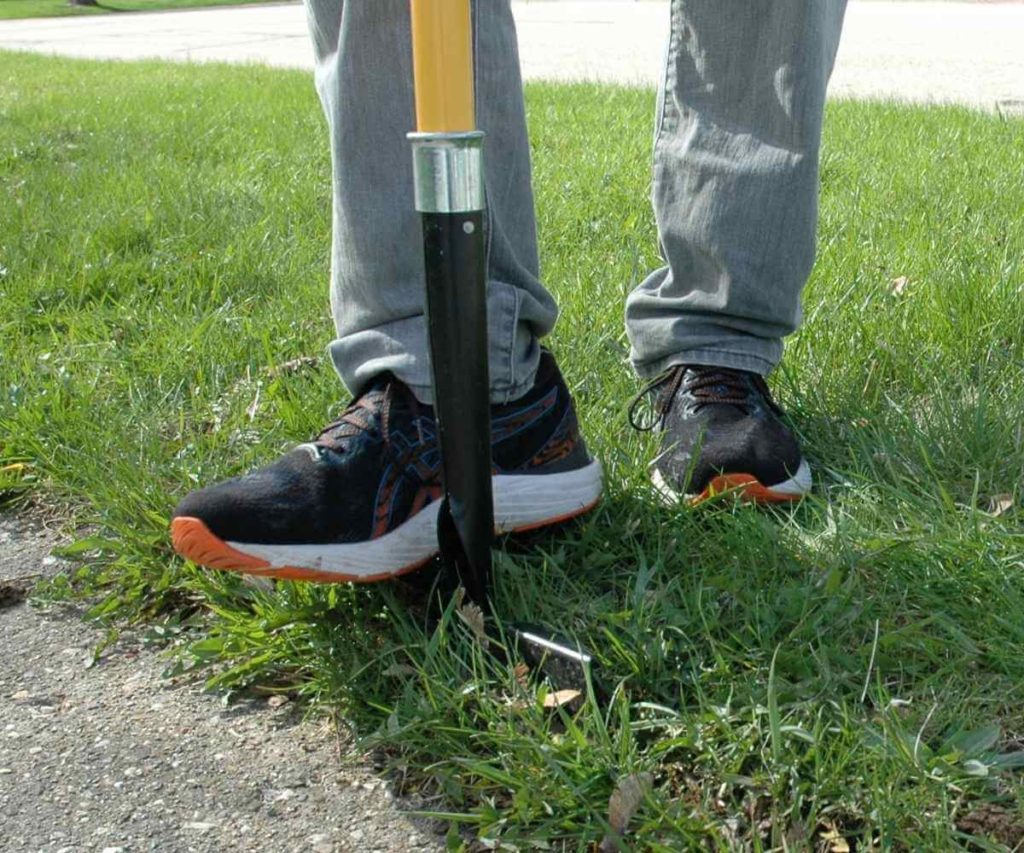
I’m not talking about only the frugalmatic superstars, such as biking to work. If biking to work isn’t practical for you, make a commitment to take a small walk after eating lunch. Or, park your vehicle three blocks away from the office. It may feel inconvenient, but you’re adding resistance to your daily routine. The small things matter, whether it’s using hand tools instead of power tools. Or, raking instead of using a leaf blower. Or, hanging the clothes on a line outdoors instead of tossing them in the dryer. The cumulative effect of the hundreds of decisions you make each week can make or break a sedentary lifestyle.
It’s totally doable
Consider taking an inventory of the things that need to get done around your house and search for opportunities to swap a labor-saving technology for a labor-loving one. The more practical the activity, the more likely you are to make it part of your daily routine. If there’s no purpose to the activity, such as pedaling a stationary bike, it’s less likely to become repeatable.
Subscribe to the Frugalmatic email list for encouragement and more ideas on how to live a more active life. If you’re looking for more guidance, check out my four-week program for moving more: Frugalmatic Fitness. This program aims to add four new movements to your daily routine over a four week period. It’s a structured approach to practicing everyday fitness.