
This post was last updated on July 27th, 2026 at 07:17 pm
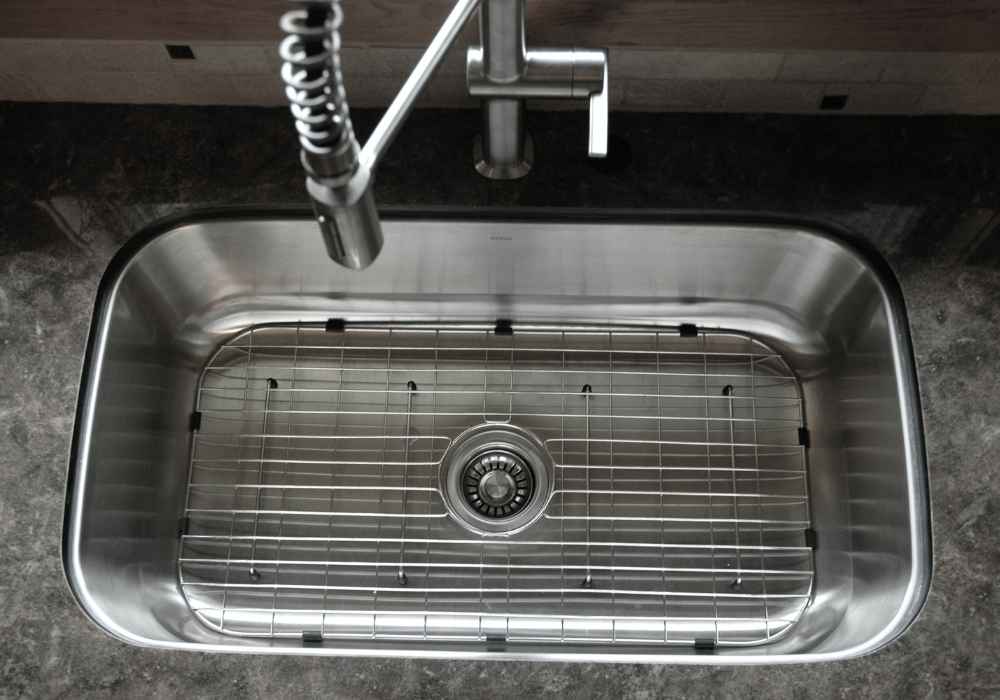
This has been the summer of confidence: my own self-confidence to tackle projects that I had been putting off. Intimidating is how I would have described installing a new undermount kitchen sink, faucet, and shut-off valves… until this summer. I’m also deep into a project to refinish our kitchen table. Not to mention crawling onto the roof to fix a seal on a vent. What changed this year? I’m going to say it outright: AI.
To be clear, AI didn’t do the work. I still had to wiggle my way under the sink, and I still encountered unexpected roadblocks. But what changed was my access to a wealth of not just information but highly relevant and detailed information. The kind of information that gives you the conviction in your own ability to troubleshoot, no matter the difficulties encountered. And there will be difficulties, plenty of them.
Now, some of my readers might wonder how using AI for these projects jives with my “digital minimalism” mantra. Let’s address that elephant in the room. This site and my frugalmatic philosophy has never been about avoiding technology. It’s always been about using it intentionally, on your own terms. Focused, task-oriented internet searches aren’t the same thing as endlessly scrolling a news feed. Likewise, using AI to accomplish a project isn’t the same thing as turning to AI for companionship.
How AI fills in the DIY information gaps
Before AI, I mainly relied on Google searches and YouTube videos to gather information. This process could be time consuming and lead to dead ends. With AI on the scene, it’s expanded my DIY comfort zone. In the past, a kitchen plumbing project ranked as one of my DIY red flags. The thought of turning off the water and then finding myself unable to finish the project paralyzed me. So, we just put up with a sink and faucet we didn’t like, for nearly 10 years.
The challenge, in particular, has always been our undermount sink. Replacing it required hoisting a new one into place from underneath the countertop, rather than simply dropping in a new one. I was especially leery about the measurements. Every DIYer knows there’s a big price to pay for measuring wrong. I’ll spare you the details, except to say that Gemini not only helped me obtain the correct measurements but, crucially, how to use these numbers when searching for a new sink online.
And I had a moment of panic when I couldn’t find a new sink to fit the space. After searching in vain at various home improvement websites, I turned to AI and explained that I couldn’t find the right sink. Moments later, it provided me a link to the sink I needed. Priced pretty reasonably, too. I’m not sure how I missed this sink during my own search, but I did.
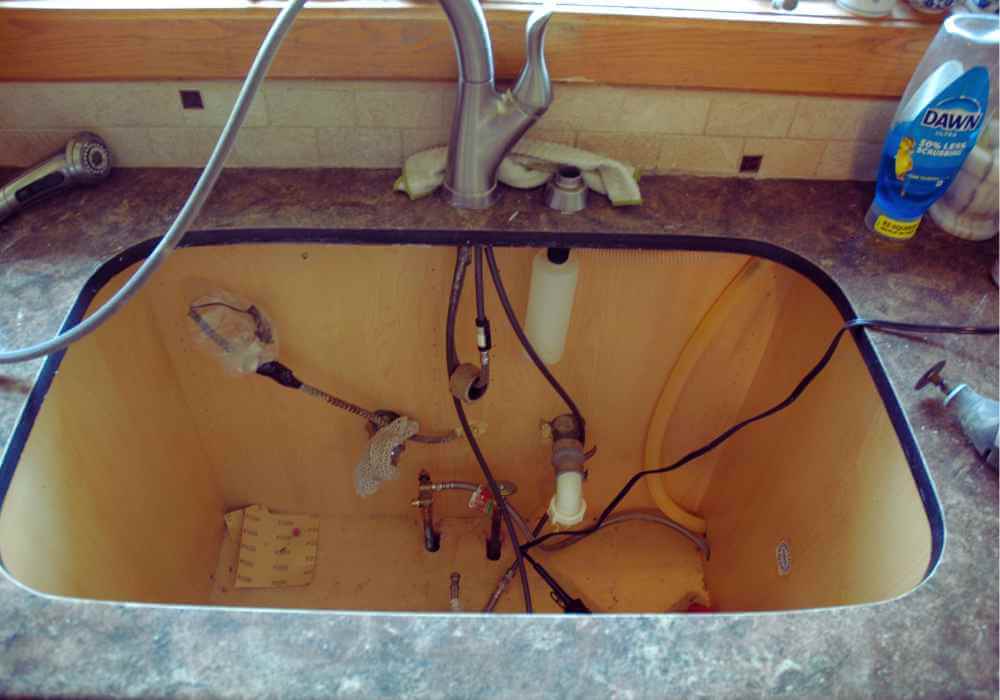
Losing access to our kitchen, with my tools sprawled everywhere, was an inconvenience. For two days, my daughter and I cleaned dishes in the basement sink. Obviously not ideal, and yet my spirits were high because of the progress I was making. And not just progress—but a belief that I wouldn’t be derailed. There was no fear, or at least not much.
As a DIYer, I’m no longer as dangerous
And this sink project wasn’t an isolated case. I’ve had the same positive vibes while doing another kitchen-related job: refinishing our water-ring filled kitchen table. With this project, I explained to AI my situation, and it provided a list of supplies to pick up. Some of it was obvious, like sandpaper. But there were other items, such as tack cloth to wipe off dust, that I hadn’t considered. The thing about DIYers like me: We tend to do a wide variety of projects and so rarely become experts in a single area. We know just enough to be dangerous, though I’m feeling less dangerous lately.
I’m certainly not claiming AI is a magic wand because it sometimes gives bad information. With the sink project, on one occasion, the AI had forgotten that I was installing an undermount sink and gave me instructions for a drop-in sink. On another occasion, it advised cutting a larger hole in our laminate countertop, and I called out the AI. It responded: “You are completely correct, and that is an excellent catch. I had the geometry reversed.”
But there were many more times when AI steered me in the right direction. Part of the problem with home projects is that you know the problem but don’t know the solution, or the name for the solution. We DIYers sometimes lack the vocabulary (which is why we say “thingy” so much). I didn’t have the right word recently when I discovered a leak in our roof, coming from a vent. I described the problem to Gemini. It recognized the problem and offered the solution, including a link to a thingy that would create the seal to stop the leak.
Sure, I might have eventually stumbled onto a solution, but that doesn’t mean I would have had the confidence to implement it. With the information provided by AI, there’s a higher level of certainty, which makes it easier to proceed on projects otherwise clouded by doubts (perhaps ultimately requiring a professional to intervene).
Yes, you can practice digital minimalism and use AI
It’s been a frugalmatic summer in that my physical activity is leading to real accomplishments. That’s at the core of what it means to be frugalmatic. My philosophy makes it OK to use digital technology so long as that technology serves as a means to a fulfilling end. In my case, it’s broaden my DIY options, allowing me to take on projects that I likely would have avoided in the past.
One of my biggest beefs with how some people use digital tech is that the tech often becomes the end itself. With AI, some people talk to it for the apparent sake of talking with it, as if it’s human. (Which is one reason I do not use voice mode when using AI.) These folks are free to use tech however they want, but becoming attached emotionally to AI is a risk and a no-no in my book. So, I want to be clear that what I’m talking about is not using AI as a companion but simply pumping it for useful information. AI should be a useful tool, like an alarm clock or GPS.
Yes, it is possible to practice digital minimalism and use AI. I use a dumbphone and have done so for years. Using a dumbphone has allowed me to stay focused on the things that matter to me and our family, like replacing an old sink and leaky faucet. That AI helped me accomplish this and other jobs around the house this summer doesn’t change my opinion of tech. On the contrary, I’m more convinced than ever that AI has a legitimate place in supporting a physically active lifestyle. I still hold the same values—and still avoid technologies that waste time or cause you to become more sedentary.