
This post was last updated on July 29th, 2026 at 08:39 am
It’s January, and once again we are being bombarded with ads promoting gym memberships and exercise equipment as part of the annual New Year’s resolution push. For a lot of us, we’ve tried those things, and they don’t last. It’s not that we’re weak or lack willpower. We simply require another approach—one that involves a practical purpose. Here are three doable New Year’s resolutions for becoming more physically active. They are designed to fit into your already-established daily routine.
1) Turn an automated task into a manual one
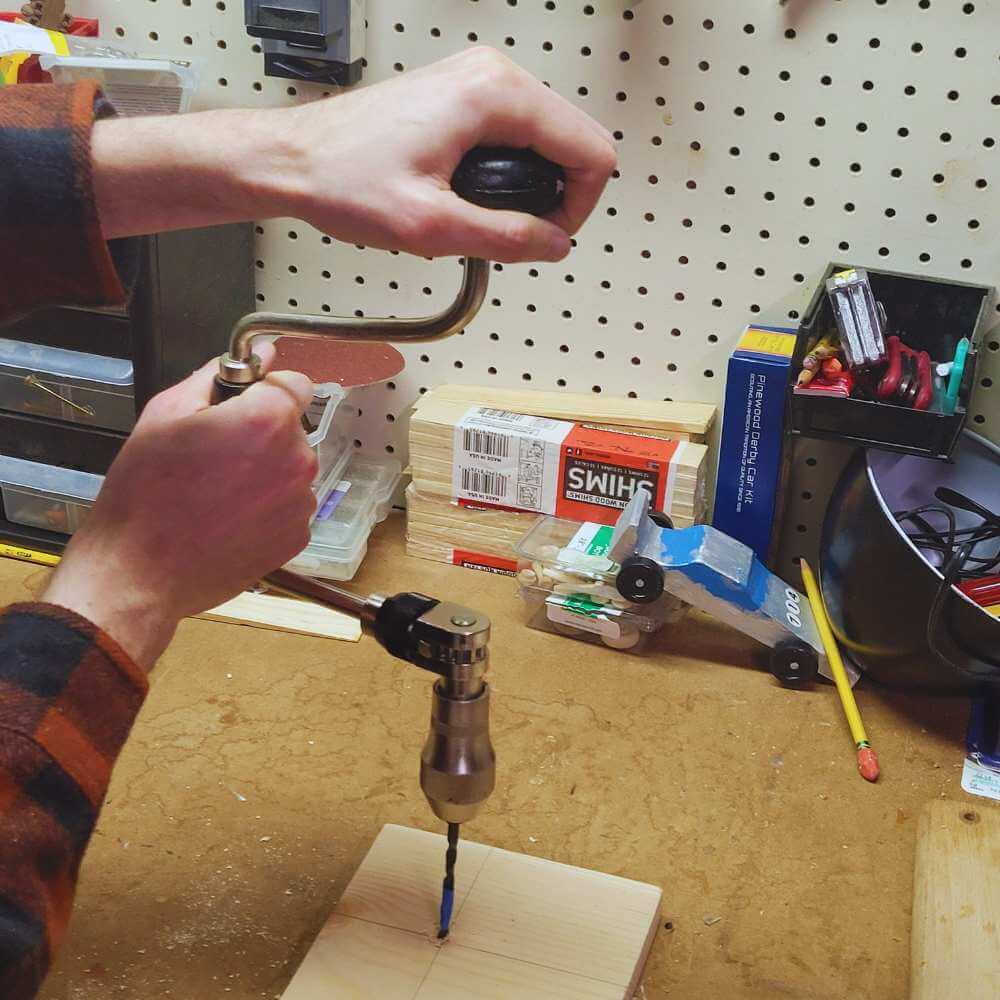
There’s a fine line between making your lifestyle more physically active and making it too inconvenient. The ideal manual task will allow you to become more physically active without consuming much more time than its automated counterpart. One area that I continue to make more manual is my tool box. I’m a fan of hand tools, and, in particular, I enjoy using a miter box and hand saw for most cutting jobs. This year, I added a hand drill to my collection to replace my electric drill for small projects around the house. I wouldn’t use it for building a deck, but it’s great for making a few holes here and there.
I’ve been studying our home and considering other possibilities for going manual. One of my ideas was to switch to a manual garage door, which my wife promptly rejected. This setup would create too much inconvenience.
What other opportunities for moving more might be hiding in plain sight? Look around your home (and yard). Spend some time researching how you can create the manual versions of certain automated tasks. Then pick one that fits into your setup/lifestyle and make it into a doable New Year’s resolution.
2) Turn a sedentary situation into an active one
Our schedules involve a lot of sedentary situations that we just assume cannot be made physically active. But I’ve learned over the years that we can inject physical activity into these situations if we’re proactive and willing to push back against cultural norms a little bit.
Here’s one example of a sedentary situation that I’ve encountered as a father of children who play sports: The kids play while the grown-ups sit on the sidelines waiting for the game/practice to end. My solution has been this: Whenever I sign up our son for a baseball or basketball league, I make myself available as an assistant coach. This way, I’m not sitting around at our child’s practices but am being physically active. I help the kids run drills or pitch batting practice. Basically, I do whatever the head coach needs. Park and rec leagues are often desperate for volunteers, and you don’t have to be an expert to help out. For me, assisting at practices beats sitting on the bleachers waiting for practice to end.
To turn a sedentary situation into an active one, take an inventory of your daily routine. For example, do you spend a lot of time in meetings at work sitting around a table? What if you could convert one of those meetings into a walking meeting? That might introduce a surprising amount of physical activity into what can be a highly sedentary situation.
Another area to monitor is shopping. A lot of people have started to rely on delivery services to bring products to their doorstep. But you’ll move more if you’re out and about doing the shopping and walking the aisles. Ordering less online can be an easy way to move more.
Once you identify a sedentary situation that you can make active, you have a doable New Year’s resolution!

3) Find an enjoyable offset.
In the land of Frugalmatic, all movement that doesn’t accomplish a practical purpose is called an offset. Despite touting the benefits of practical movement, my home life is still too sedentary to rely on tasks alone for my physical activity. I must do some offsets, such as shooting baskets in the driveway or playing pickleball.
Here’s another offset that I enjoy: During the summer months when our kids don’t attend school, we take morning walks to recreate their daily walks to school and back. These walks are offsets because they’re not serving as transportation. As we stroll, we laugh and tell stories. One time, we found a $10 bill, which I guess meant the walk did have a practical purpose.
One of my favorite interviews was with a woman named Joy Jones, who loved to jump rope as a child but then stopped once she became an adult. After many years, she decided to start it up again, and she formed a group to show kids and adults alike how to do Double Dutch jump roping. (I tried it for the first time a few months ago, and it takes some practice.) Joy truly enjoys jumping rope, and that’s the key with an offset. You must enjoy it; otherwise, you’re bound to quit it for the simple reason that offsets have no practical purpose.
Practical New Year’s resolutions are doable New Year’s resolutions
Finding ways to become more physically active is important for health reasons, but I believe many New Year’s resolutions fail because they’re impractical. But if you can attach your movements to everyday responsibilities, you’ll have a greater chance of sticking to that resolution. Ultimately, if you’re moving a little bit more than you were the year before, you’re experiencing success. And once you add a manual task to your daily routine, your next goal is to look for another one.